

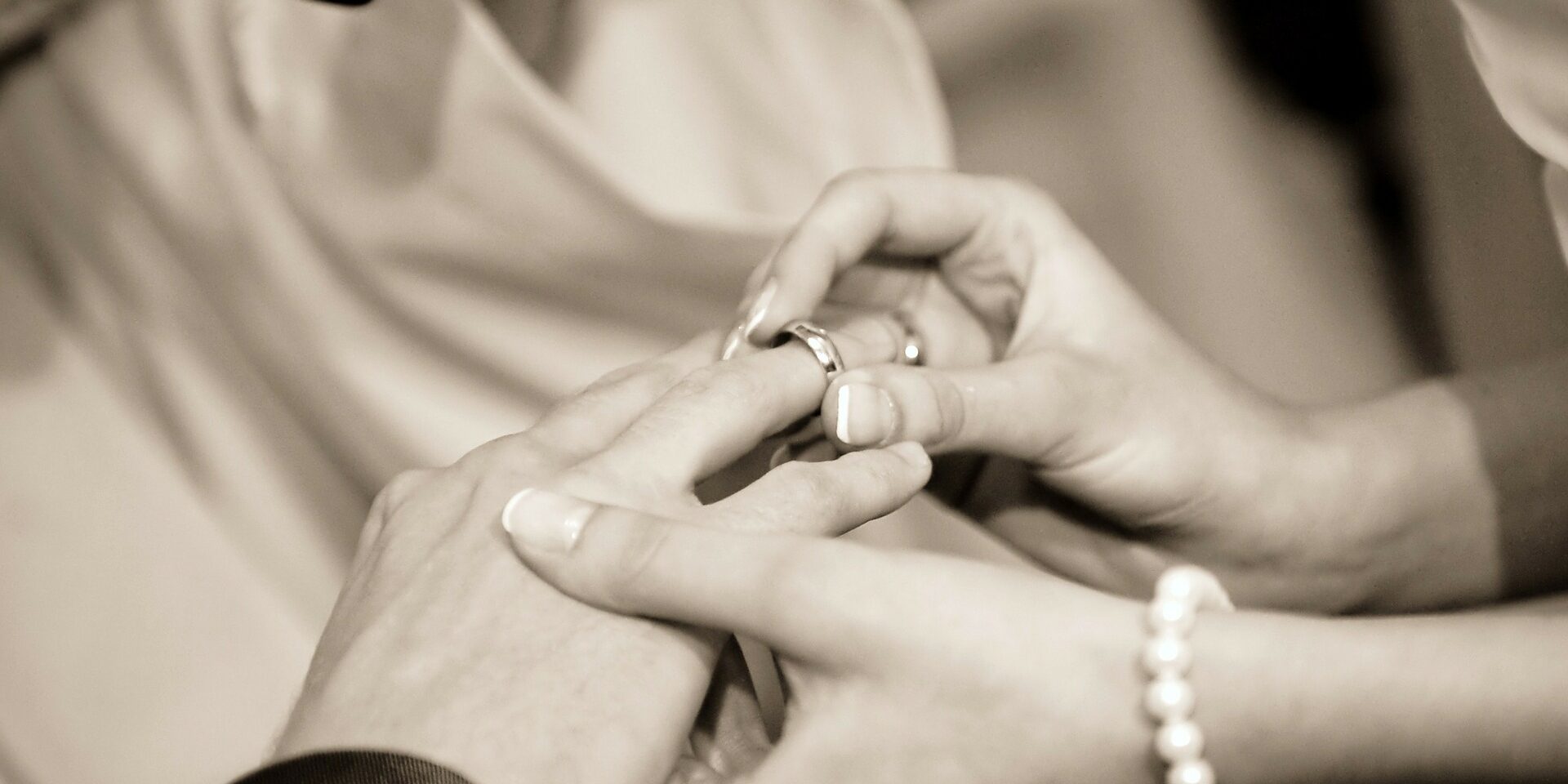
Weddings – celebrations of love and union, are also extravagant affairs with significant environmental footprints, particularly concerning the banner of blossoms that defines them – the flowers. However, a growing trend towards eco-friendly wedding planning presents an opportunity to reduce waste and support local businesses – starting with the choice of flowers.
The environmental cost of wedding flowers is twofold. On one side, the cultivation of blooms often involves use of harmful pesticides and non-renewable resources for transportation and refrigeration. On the other, the aftermath of a wedding often sees large quantities of floral decorations ending up in the bin. The United States Environmental Protection Agency reports that an average wedding generates 400 lbs of garbage and 63 tons of CO2. Having an environmentally friendly wedding could reduce this waste and promote a greener future.
Today’s brides and grooms are increasingly prioritizing sustainable choices for their festivities, seeking alternatives to traditional, environmentally taxing practices. They’re turning to eco-friendly wedding flowers, seeking to support local growers and reduce waste.
Local growers are one answer to curbing the environmental impact of wedding flowers. Instead of importing overseas flowers, couples can choose locally sourced species. This not only ensures the reduction in carbon footprint due to less transportation involved, but it also contributes to the local economy. By supporting local growers, couples are indirectly assisting in local development.
Eco-conscious florists, like New York’s Petal by Pedal, take pride in sourcing their blooms from nearby farms. “Our arrangements come from flowers we’ve grown ourselves or sourced from local growers,” says owner Kate Gilman. “Buying locally grown flowers helps support small businesses you believe in and respect, and it guarantees you’ll receive an arrangement made from the freshest, most seasonally appropriate blooms.”
Another option for reducing waste associated with wedding flowers is to donate them post-ceremony. Nonprofits like Random Acts of Flowers and Repeat Roses recreate bouquets and distribute them to places such as hospitals, nursing homes, and shelters. This means the flowers have a second life, bringing joy to others and minimizing waste.
Couples may also consider long-lasting, drought-resistant succulents integrated within bouquets and table arrangements. At the end of the wedding day, these tiny plants can be repotted, serving as a beautiful, sustainable keepsake. Alternatively, silk flowers or recycled paper blooms can make eco-friendly and unique alternatives.
The Knot, America’s leading all-in-one wedding planner, has also noted the trend towards greener wedding practices in their recent report. “More couples are prioritizing eco-conscious options within their wedding planning,” says Ivy Jacobson Ford, Senior Editor at The Knot. “From procuring local flowers and donating décor elements post-celebration to sending digital invitations and composting excess food, we have seen a definite increase in couples making eco-friendlier choices.”
Green wedding planning’s popularity is gaining traction and fast becoming part of the conversation on sustainability. The internet is an excellent resource platform for tech-savvy millennials, filled with eco-friendly wedding tips and local retailers. Online wedding planner Zola, for example, features a green wedding registry where couples can find eco-friendly gifts and local suppliers.
By carefully selecting eco-friendly wedding flowers, couples can significantly reduce their big day’s environmental impact. This simple switch can support local companies, cut waste, and promote sustainability. By choosing blooms that reflect their commitment to the planet as well as each other, brides and grooms can create wedding memories to last a lifetime – without costing the earth.
Original Source: https://www.weddingsonline.ie/blog/eco-friendly-wedding-flowers-how-to-reduce-waste-and-support-local-growers/