

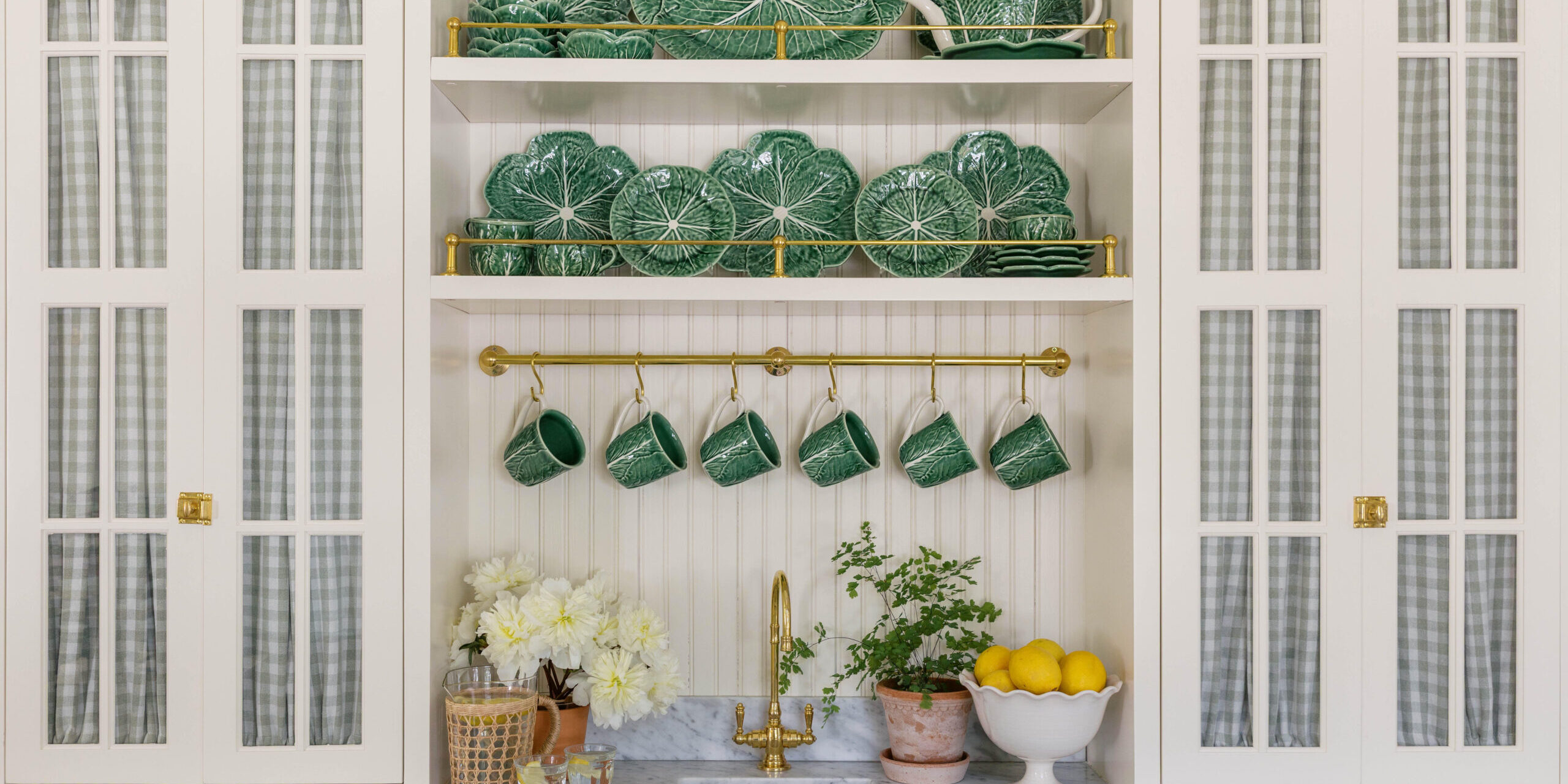
In a surprising twist in sustainable living, researchers and entrepreneurs are spotlighting cabbage as a material in the production of biodegradable utensils and packaging, a movement dubbed “Cabbageware.” This innovative approach not only aims to tackle plastic waste but also celebrates the versatility of one of the most commonly overlooked vegetables.
What happened
The concept of Cabbageware emerged from recent advancements in bioplastics, where scientists discovered that the fibers in cabbage can be processed to create durable yet compostable materials. This discovery was showcased last week at the Global Sustainable Materials Conference, where several startups unveiled prototypes of plates, forks, and bowls made from processed cabbage fibers. The enthusiastic reception suggests that Cabbageware could soon compete with existing biodegradable options like PLA (polylactic acid).
Leading the charge is a California-based startup, GreenLeaf Innovations, which has already secured significant funding to expedite its product development. Their cabbage-based products aim to break down naturally in landfill conditions within 90 days while providing the same functionality as traditional disposable utensils. This development is reflective of a growing global trend toward environmentally responsible eating habits, especially as legislation against single-use plastics rises.
Why it matters
Cabbageware holds promise not only because it uses agricultural byproducts but also due to its potential impact on waste reduction. The world grapples with the exorbitant amount of plastic waste generated daily; an estimated 9 million tons of plastic end up in oceans each year. By introducing bio-based alternatives like Cabbageware, advocates believe we can shift consumer behavior and reduce reliance on harmful plastics.
Furthermore, this initiative could bolster the agricultural sector, providing farmers with new revenue streams from cabbage waste. As consumers become more eco-conscious, the sale of Cabbageware products could represent a significant economic opportunity, adding to the layered conversation of sustainability within food production and packaging. With the design and marketing of such products, companies aim to appeal to both environmental concerns and the growing ethical consumption market.
What comes next
The potential for Cabbageware to disrupt the current market lays in its upcoming tests and broader rollout. Following the initial positive feedback, GreenLeaf Innovations has plans to scale production and explore partnerships with restaurants and food suppliers to incorporate Cabbageware into their takeout services. Upcoming trials include multiple biodegradability assessments to ensure that the products meet various environmental standards.
Additionally, stakeholders are vigilant about the regulatory landscape, as new materials often face scrutiny from food safety organizations. The immediate outlook includes a concerted effort from Cabbageware proponents to navigate this regulatory terrain while educating the public on the environmental benefits of using biodegradable products.
As the Cabbageware initiative progresses, industry players and consumers alike will be following its journey closely. With growing emphasis on sustainability, the integration of alternative materials in our everyday lives may very well shape the future of eco-friendly products.
Original Source: https://blog.overthemoon.com/shopping/cabbageware-bordallo-pinheiro/