

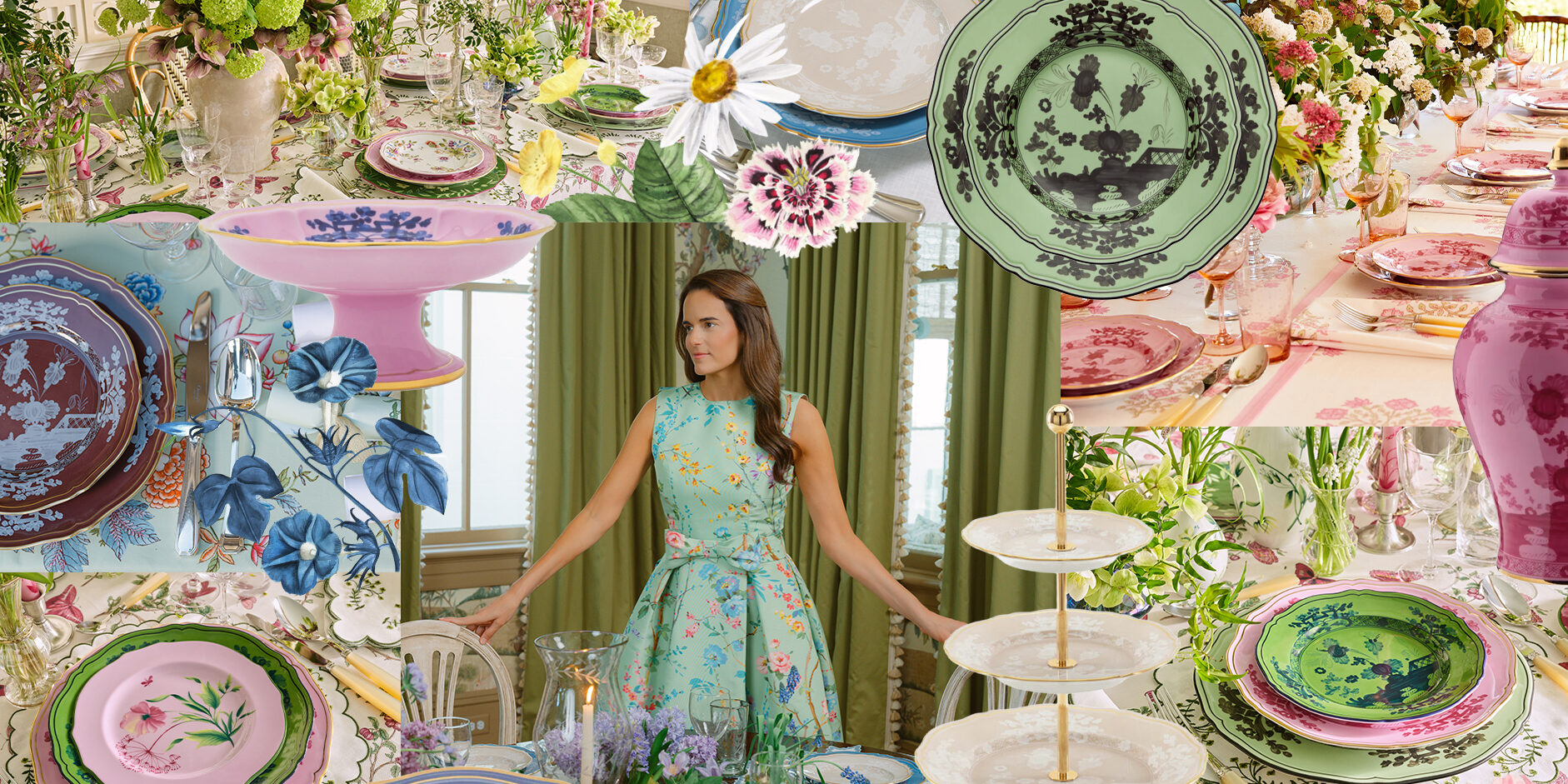
Recently, the high-end porcelain brand Ginori 1735 captured significant attention during a showcase that celebrated its rich history paired with contemporary design sensibilities. This event saw industry stakeholders, influencers, and consumers alike buzzing with excitement, echoing the sentiments of the founder of OTM, who expressed a profound admiration for the brand. The response from the public was overwhelmingly positive, highlighting Ginori’s unique blend of traditional craftsmanship and modern aesthetics.
Immediate reaction
Following the showcase, social media channels flooded with commentary. Influencers in the lifestyle and interior design sectors touted the exquisite craftsmanship of Ginori pieces, sharing images and personal testimonials that elevated the brand’s status. Many expressed how the delicate patterns and vibrant colors could redefine dining experiences and elevate home decor. Online conversations revealed a heightened interest among consumers who were previously unfamiliar with the brand, indicating a potentially transformative moment in the luxury porcelain market.
What triggered the move
The recent excitement surrounding Ginori 1735 can be attributed to its ability to merge historical significance with innovative design. Established in 1735, the brand boasts a legacy of exquisite artisanship that appeals to collectors and enthusiasts alike. Its collaboration with contemporary designers is noteworthy, as it has led to a reimagining of classic designs through modern lenses. The showcase highlighted new collections that reflect current trends while remaining anchored in the brand’s rich history. Such strategic movements are attracting not just traditional luxury buyers but also a younger demographic eager for pieces that blend luxury with accessibility.
Why readers should care
The ongoing buzz about Ginori 1735 is more than just a fleeting trend; it represents a resurgence in appreciation for artisanal craftsmanship in an age dominated by mass production. For readers interested in design, aesthetics, or luxury lifestyles, understanding the significance of brands like Ginori is essential. This brand underscores the importance of sustainability and local production, standing in stark contrast to the fast-fashion mentality that permeates many industries today. A growing interest in such brands signals a shift in consumer behavior—making thoughtful purchases that favor quality over quantity.
In the short term, the enhanced visibility and acclaim for Ginori 1735 could lead to an increase in demand, influencing luxury market trends. As consumers become more informed and discerning, they will likely gravitate toward pieces that tell a story and reflect personal values. The spotlight on Ginori emphasizes a broader cultural movement to invest in quality artistry, instilling deeper connections between consumers and their purchases. As the conversation around craftsmanship continues, it will be fascinating to see how Ginori 1735 and similar brands rise to meet an evolving consumer landscape.
Original Source: https://blog.overthemoon.com/shopping/ginori-1735-bestselling-fine-china/