

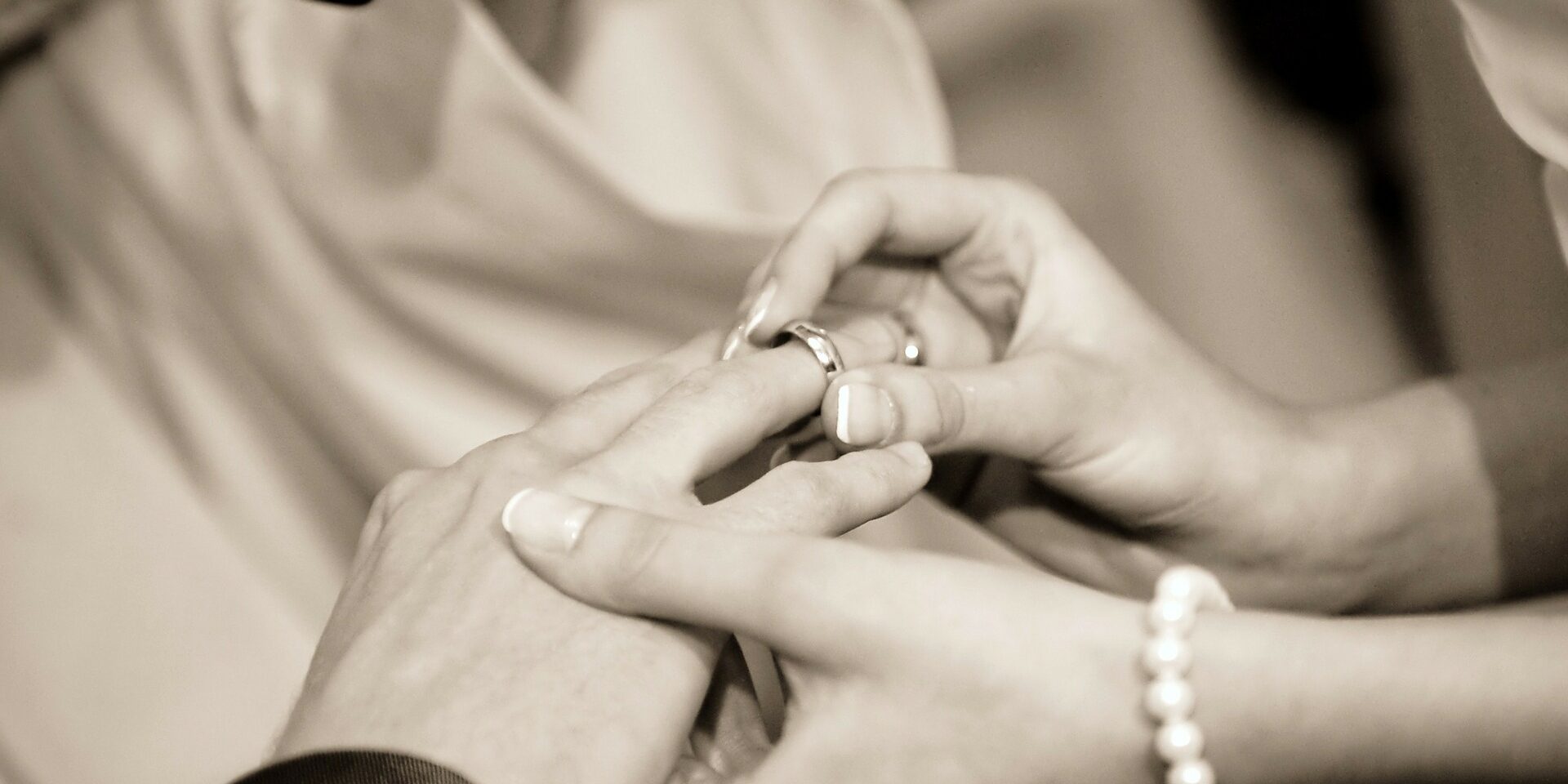
Choosing a wedding date in Ireland is a significant decision that can influence nearly every aspect of your planning. While the sentiment of love and commitment remains constant, practical considerations like seasonality, availability, and cultural factors play a crucial role in determining the ideal day.
Key details
First and foremost, couples must consider the timing of their wedding. Ireland has a diverse climate, with the peak wedding season typically spanning from May to September. During these months, the weather is more likely to be favorable, which is vital for outdoor ceremonies and celebrations. However, booking dates during peak season can lead to increased costs and limited venue availability.
Next, consider important dates and holidays that might coincide with your wedding date. In Ireland, many couples choose dates like St. Patrick’s Day or Valentine’s Day to add a personal touch, but these dates can also lead to logistical challenges. Venues may be booked solid and prices could spike. Additionally, local events or festivals can either enhance the celebration or create competition for accommodations and services.
Another key aspect is the day of the week. Saturdays are traditionally the most popular day for weddings, but having a wedding on a weekday or on a Sunday can help in securing more affordable venues and suppliers. This is particularly pertinent for couples working with tight budgets, as weekday weddings often come with significant discounts. On the flip side, weekday weddings may limit guest attendance, so weigh the pros and cons carefully.
Why this matters
Ultimately, the choice of wedding date drastically affects not just the budget but the overall experience of the day. For instance, summer weddings may offer longer daylight hours, making for beautifully lit outdoor receptions. In contrast, a winter wedding could provide a cozy, intimate atmosphere, especially with a backdrop of festive decorations around Christmas.
Moreover, couples should think about their guests’ convenience. Travel logistics can be a concern, particularly for friends and family coming from abroad. Consideration should be given to public holidays or periods when travel may be difficult. This can influence attendance and enjoyment of the event, ultimately shaping the day’s success.
Broader picture
The decision on when to get married is not solely a personal choice; it reflects broader cultural traditions and societal expectations. In Ireland, weddings carry significant cultural weight. The timing of the ceremony can align with local customs, which may enhance the communal aspect of the celebration. Understanding these cultural narratives can guide couples in selecting dates that resonate with their heritage and family values.
As couples embark on this journey, clear communication and careful consideration of various factors are paramount. Setting a wedding date is both an exciting endeavor and a logistical puzzle, demanding attention to detail and an understanding of the broader implications. In summary, while the emotional significance is paramount, the practical elements surrounding the chosen date ultimately shape the wedding experience for all involved.
Original Source: https://www.weddingsonline.ie/blog/how-to-set-your-wedding-date-in-ireland-what-to-consider-before-you-commit/