

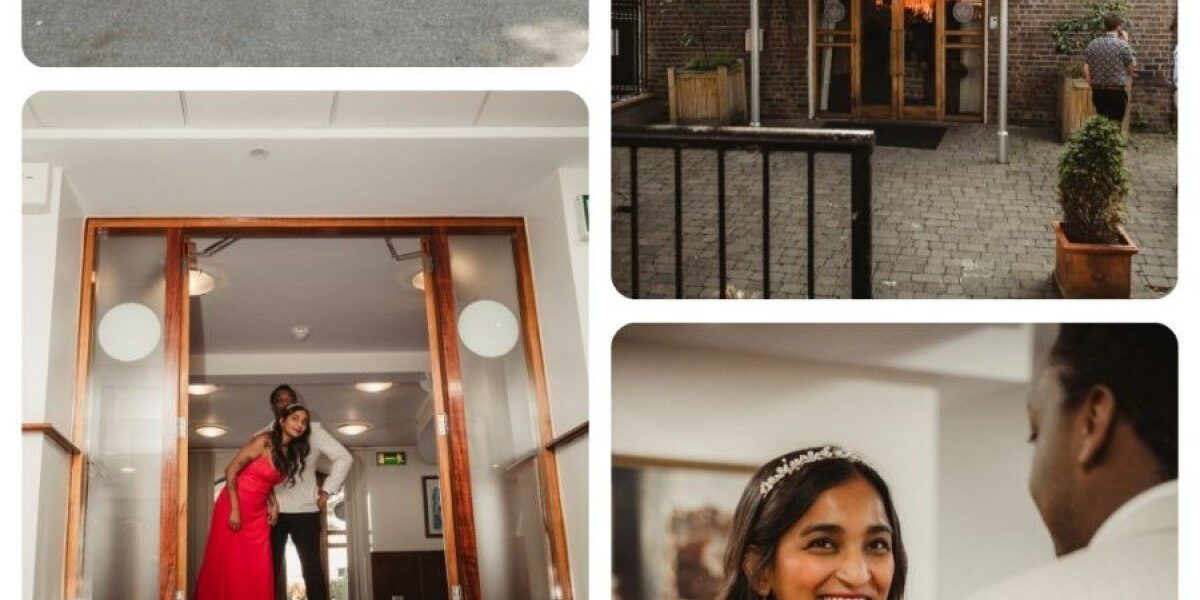
In recent months, the landscape of wedding ceremonies has evolved, emphasizing greater personalization and a diversity of options. This evolution is particularly pronounced as couples increasingly seek ceremonies that reflect their unique beliefs and values, rather than adhering to traditional norms. Understanding the different types of ceremonies available—civil, religious, and humanist—is crucial for couples preparing to tie the knot.
The latest turn
As society continues to become more inclusive, many couples are re-evaluating the frameworks in which they choose to celebrate their unions. The increased popularity of humanist ceremonies marks a significant shift in how weddings are viewed and performed. Unlike traditional religious settings, humanist ceremonies focus on personal beliefs and values, allowing couples to cultivate a more authentic celebration devoid of religious constraints. Recent surveys indicate that around 20% of weddings in the UK are now humanist, highlighting their growing acceptance.
How the story got here
The distinction among civil, religious, and humanist ceremonies dates back to the evolution of societal norms surrounding marriage. Civil ceremonies, which are legally recognized but devoid of religious elements, became popular as more couples sought legally binding unions without the requisite of religious affiliation. These ceremonies often take place in registry offices or other secular venues, emphasizing the legal contract over ritualistic traditions.
Religious ceremonies have traditionally held a strong foothold. Each faith offers varying practices that encapsulate specific beliefs, symbols, and rituals. Couples who choose this route are often guided by the tenets of their religion and might involve clergy in their planning process. For example, a Christian wedding may include readings from the Bible and blessings, while a Hindu ceremony might be rich in cultural rituals, such as the Saptapadi or seven vows around a sacred fire.
Humanist ceremonies emerged as an alternative for couples who identify as secular or non-religious yet desire a meaningful, celebratory event. Celebrants often create custom scripts that reflect the couple’s journey, values, and hopes, giving couples the freedom to incorporate personal stories, poetry, or specific music into their ceremony. Humanists believe that meaningful moments can take place outside traditional religious frameworks, aligning with contemporary values of inclusivity and personalization.
Next expected developments
As the wedding industry evolves, it is likely that the trends of personalization and non-religious celebrations will continue to grow. Couples are increasingly looking for ways to make their ceremonies unique and reflective of their identities, prompting venues and service providers to adapt accordingly. The rise of virtual ceremonies, a trend born out of necessity during the pandemic, may further reshape how weddings are planned in the future, allowing couples to incorporate elements from various ceremonial styles irrespective of location.
In light of these shifts, couples planning their weddings in the coming years will need to remain informed about the legalities and regulations governing each ceremony type in their respective jurisdictions. As more options emerge, the next milestone for couples will likely be exploring how to weave their individual stories into the fabric of their chosen ceremony, making their weddings truly memorable and personal.
Original Source: https://www.weddingsonline.ie/blog/how-to-plan-your-wedding-ceremony-civil-religious-and-humanist-explained/