

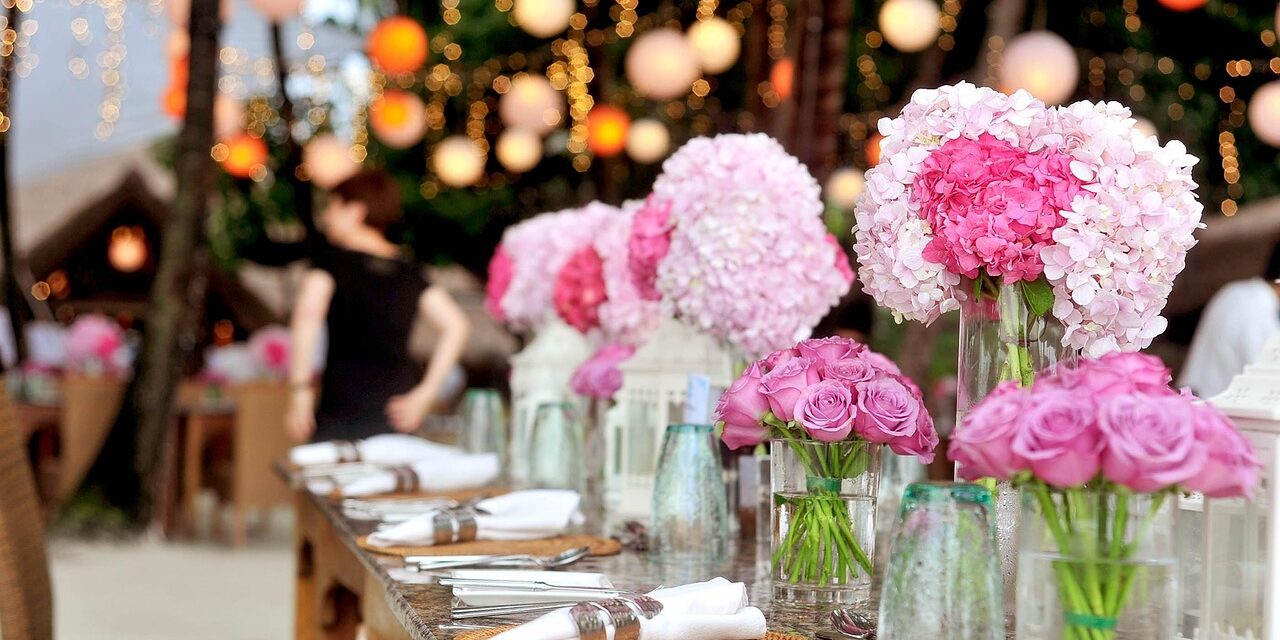
The traditional seating arrangements for wedding receptions continue to evolve, with recent societal shifts influencing who occupies the prestigious head table. As more couples embrace personalization in their wedding planning, the dynamics of who sits at the head table are changing significantly. This update reflects an ongoing conversation among engaged couples and wedding planners about the roles and relationships that define these special day moments.
The latest turn
In recent months, a growing emphasis on inclusivity at weddings has sparked discussions regarding the head table’s composition. Many couples are now opting to include close family friends and significant figures from their lives beside the bride and groom, breaking away from traditional norms that prioritize hierarchical family representation.
This trend is particularly evident in weddings where blended families exist. Couples are now more inclined to host a table made up of family members from both sides, ensuring that step-parents and siblings feel recognized. Such changes reflect broader societal movements toward inclusivity and equality, inviting diverse voices and relationships into the narrative of marital celebration.
How the story got here
Traditionally, the head table at a wedding reception was primarily reserved for the newlyweds and their immediate families. Typically, the bride and groom were flanked by their respective parents, often reflecting generational norms of respect and familial hierarchy. However, in recent years, these customs have come under scrutiny as couples seek to represent their unique journeys and the relationships that matter most to them.
Motivated by the desire for a more personalized experience, couples are now reimagining the head table. Some forgo formal table settings altogether, opting instead for a circular table that promotes dialogue and connection. Others choose to host their closest friends alongside family, creating an intimate atmosphere that celebrates the many influences in their lives.
Social media also plays a significant role in this shifting landscape. Couples sharing their wedding experiences online promote the idea that every couple can tailor their day to fit their identities, encouraging others to embrace non-traditional arrangements.
Next expected developments
As the trend of personalized wedding receptions continues, the next milestone is likely to involve even more diverse seating arrangements. Beyond head tables, couples are expected to explore creative layouts that allow for meaningful connections among guests. This could include unique seating designs or thematic tables that embody shared interests among groups of friends or family members.
Industry professionals foresee that this change will further normalize including friends, chosen family, and mentors at the forefront of wedding celebrations, reflecting the growing desire to honor non-traditional relationships. As these developments unfold, they may initiate broader conversations about the meaning of family and community in the context of marriage.
With such societal shifts in mind, couples planning their weddings in the near future will undoubtedly continue to challenge traditional norms, ensuring that their celebrations authentically reflect their personal values and relationships.
Original Source: https://www.weddingsonline.ie/blog/who-sits-at-the-head-table-at-the-wedding-reception/